
How Has Global Competition in the Bitumen Industry Developed?
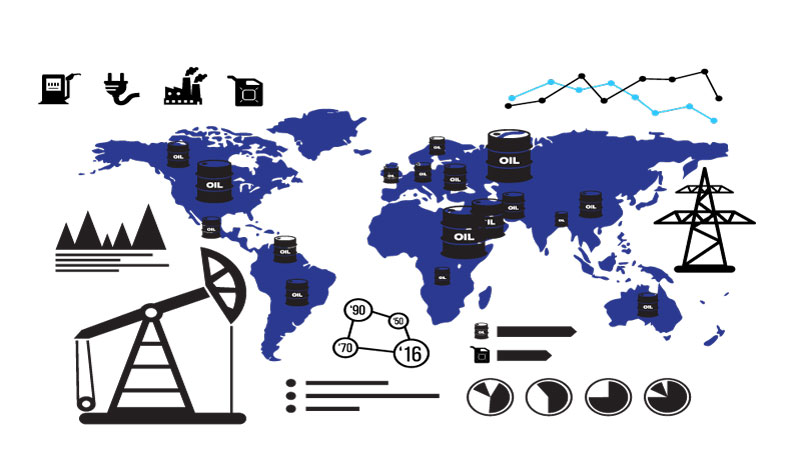
In today’s interconnected global market, competition in the bitumen industry has increased significantly. The growth of road construction projects, the development of transportation infrastructure, and the increasing demand for raw materials used in road construction and maintenance have made the bitumen market an important segment of the global petroleum products trade. .
In the past, price was one of the most important criteria when selecting a bitumen supplier, but today’s market conditions have become more complex. In addition to price, buyers also consider product quality, consistency of technical specifications, continuous supply capacity, compliance with international standards, delivery time, and commercial services.
.
Therefore, companies operating in the bitumen industry must manage a combination of economic, technical, and commercial factors simultaneously in order to maintain their position in international markets.
Product Quality and Consistency of Specifications
One of the most important factors in the global bitumen market is product quality consistency. International customers typically seek products with predictable technical specifications across different shipments.
.
Precise control of the production process, quality testing, and evaluation of the physical and performance characteristics of bitumen can help producers increase customer confidence. Quality consistency is particularly important for large infrastructure projects, as variations in bitumen specifications can affect the final performance of the pavement.
.
Stable Supply Capacity
Continuous supply capability is another important factor in global competition in the bitumen industry. Large buyers typically require a supplier that can deliver the required volumes on schedule while maintaining consistent product quality.
.
Therefore, production capacity, inventory management, and proper export planning can provide a significant competitive advantage for companies operating in the bitumen industry.
The Role of International Standards in the Bitumen Industry
Compliance with technical standards is an important aspect of the international bitumen market. Customers and different projects may require specific standards for evaluating bitumen quality.
.
Standards such as ASTM and EN.
In many markets, standards such as ASTM and EN are used to evaluate the specifications and technical requirements of products. Familiarity with the standards required by the target market can make it easier for producers and exporters to enter new markets.
.
Technology and Innovation in Global Competition in the Bitumen Industry
Advances in technology have become an important factor in creating a competitive advantage in the bitumen industry. The use of modern production equipment, quality control systems, and more precise testing methods can help improve product quality and consistency.
.
One of the key areas of innovation is the development of modified bitumen. These products are designed to achieve improved performance under different conditions and can be used for projects that require specific performance characteristics.
.

The Role of Logistics in the Global Bitumen Market
One factor that is sometimes overlooked when analyzing global competition in the bitumen industry is logistics. Bitumen is a product that requires proper planning for transportation and storage, and the choice of transportation method can affect the final cost of the product.
.
Selecting the appropriate transportation method, managing loading schedules, ensuring proper packaging, and coordinating effectively among the producer, transportation company, and buyer can play a significant role in successful bitumen exports.
A supplier may offer high-quality products at competitive prices, but if they cannot deliver the product to the destination on time, they may lose their competitive advantage.
Challenges of Competition in the Bitumen Industry
Despite the opportunities available, global competition in the bitumen industry also presents several challenges. Fluctuations in crude oil prices, changes in transportation costs, shifts in global demand, environmental requirements, and increasingly stringent technical standards can all affect market conditions.
.
Producers and exporters must therefore maintain a high degree of flexibility in order to address these challenges and be able to adjust their business strategies in line with market changes.
Conclusion
Global Competition in the Bitumen Industry It is no longer determined solely by product price. Consistent quality, supply capacity, technical standards, production technology, logistics, market diversification, and an understanding of customer needs are among the most important factors determining a company’s position in the international market.
.
Bitumen producers and exporters can enhance their competitiveness by investing in technology, strengthening quality control, developing target markets, and improving logistics processes.
Ultimately, success in the global bitumen market requires a combination of quality, competitive pricing, innovation, and a long-term business strategy. Companies that can strike a balance among these factors will have greater potential for sustainable growth and a strong presence in international markets. .
If you are interested in petroleum products and would like to submit an LOI, please contact us.