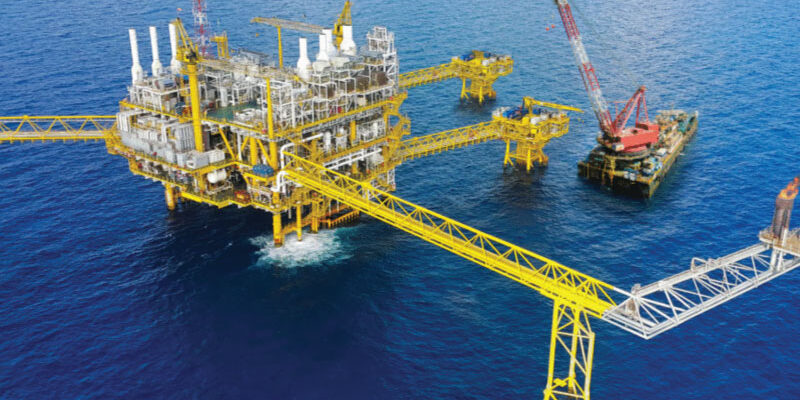
Oil infrastructure is an essential part of the energy industry and plays a direct role in the production, transportation, storage, and distribution of oil and petroleum products. Without adequate infrastructure, even high production capacity cannot be transformed into a stable and efficient supply chain. Therefore, the construction of oil infrastructure is considered one of the most important investments for developing the oil industry and enhancing energy security.
Today, oil projects require more advanced equipment and facilities. Pipelines, storage tanks, oil terminals, pumping stations, process units, and control systems are among the infrastructure components that must be designed and implemented in accordance with appropriate technical and safety standards.
The Importance of Oil Infrastructure in the Energy Industry
The proper functioning of the oil supply chain depends on the interconnection between its various sectors. After production, crude oil must be safely transported and stored before ultimately reaching a refinery or export terminal. Any weakness in this chain can lead to increased costs, reduced efficiency, and operational risks.
Therefore, the development of oil infrastructure can not only increase transportation and storage capacity but also help reduce resource losses and improve energy management. Adequate infrastructure also enables a faster response to market changes and an increase in export capacity.
Design and Engineering of Oil Infrastructure
The first stage in implementing an infrastructure project is conducting technical studies and engineering design. At this stage, the required capacity, fluid type, environmental conditions, transportation route, equipment to be used, and safety requirements are assessed.
Engineers must consider factors such as pressure, temperature, corrosion, ground conditions, and access to energy resources during the design process. The use of engineering software and 3D modeling also enables a more detailed assessment of the project.
Proper design during the early stages can prevent costly changes during construction. Coordination among process, mechanical, civil, electrical, and instrumentation engineering disciplines is also essential for the successful execution of the project.
Pipelines: The Arteries of Oil Transportation
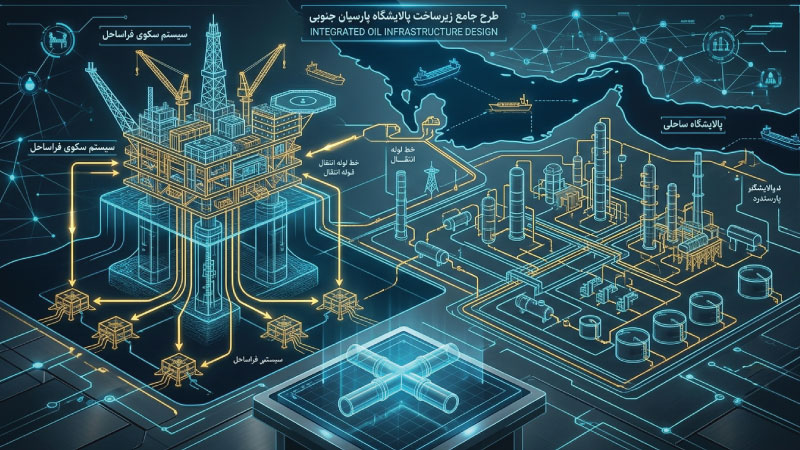
Pipelines are one of the most important components of oil infrastructure. These pipelines are used to transport crude oil, petroleum products, and other fluids, connecting production areas to refineries, storage tanks, and export terminals.
The selection of pipe material, thickness, anti-corrosion coating, and control equipment should be based on the project’s operating conditions. Pumping stations and pressure monitoring systems also play an important role in the safe and reliable transportation of fluids.
Periodic inspection of pipelines is also highly important. The use of condition monitoring methods and leak detection technologies can help identify problems before they lead to serious damage.
Oil Terminals and Loading Equipment
Oil terminals serve as connection points between different parts of the supply chain. Oil and petroleum products are transferred through these terminals to ships, tankers, or other means of transportation.
Proper design of jetties, transfer pipelines, loading arms, metering systems, and safety equipment is essential for terminal operations. The speed and accuracy of loading operations can also affect the final cost and delivery time of the shipment.
Therefore, modern terminals are typically equipped with advanced control and monitoring systems to ensure that operations are carried out with greater accuracy and safety.
Safety and Environmental Protection
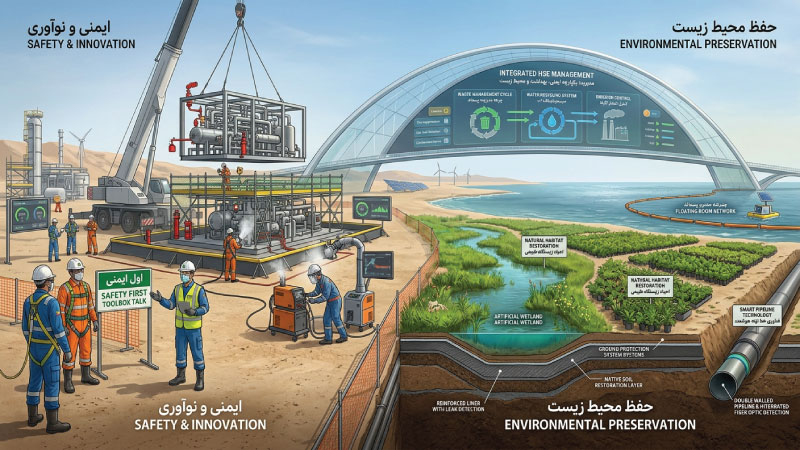
Safety is one of the most important principles in the construction and operation of oil infrastructure. The presence of flammable materials and hazards associated with high pressure and temperature makes the design of safety systems particularly important.
Fire detection and suppression systems, leak control equipment, containment tanks, and environmental monitoring systems are among the solutions used to reduce risks.
On the other hand, reducing pollutant emissions and preventing soil and water contamination should be considered from the early stages of design. Compliance with environmental standards can help reduce the project’s impact on the surrounding environment.
Maintenance and Development of Oil Infrastructure
Constructing suitable infrastructure is not the end of the process. Oil equipment and facilities must be regularly inspected and maintained to ensure their performance is sustained over time. Corrosion, equipment deterioration, and changes in operating conditions can affect system performance.
Planning preventive maintenance and using condition monitoring data can reduce the likelihood of unexpected failures. In addition, phased infrastructure development allows companies to increase their capacity in line with the growth of production and demand.
Conclusion
Oil infrastructure forms the backbone of the energy supply chain and plays an important role in the production, transportation, storage, and export of oil and petroleum products. Precise engineering design, the use of suitable equipment, quality control, compliance with safety principles, and the adoption of smart technologies are among the most important factors contributing to the success of these projects.
در نهایت، سرمایهگذاری در ساخت و نوسازی زیرساختهای نفتی میتواند ظرفیت عملیاتی صنعت انرژی را افزایش دهد، هزینههای زنجیره تأمین را کاهش دهد و زمینه حضور قدرتمندتر در بازارهای بینالمللی را فراهم کند. برای دریافت اطلاعات درباره فرآوردههای نفتی و شرایط همکاری، میتوانید درخواست LOI خود را برای واحد فروش نفت معراج ارسال کنید.